Why buildings need a building plan
Mice and rats do not stop at unit lines. They travel through shared walls, plumbing chases, laundry rooms, basements and trash enclosures. If one tenant traps and seals while the unit next door has food out and holes behind the stove, the mice just shift over.
A building-wide approach starts with an inspection of the common areas and as many units as possible, especially the ones on the ground floor and near the trash area. It identifies the main entry points and the rooms where activity is heaviest. Then trapping and sealing happen across the building at the same time, with regular follow-up.
Landlords in Washington have legal duties around pests. RCW 59.18.060 requires landlords to keep rental premises fit for human habitation, keep structural parts like foundations, floors and walls in reasonably good repair, and provide a reasonable program for controlling insects, rodents and other pests when a tenancy starts. Except in a single-family residence, the landlord also has to control infestations during the tenancy unless the tenant caused them. The tenant and landlord guide explains more. This is general information, not legal advice.
What a thorough job includes
A multi-unit rodent program usually covers:
- Inspection of basements, crawl spaces, laundry rooms, boiler or mechanical rooms and trash areas
- Inspection of affected units and the units next to them, above and below
- Traps in common areas and affected units, with scheduled return visits
- Sealing pipe chases, gaps under sinks, behind stoves and at the foundation
- Trash area recommendations: lids closed, enclosures cleaned, pickup frequency
- Notices or instructions for tenants on food storage and reporting
- A service log for the property manager
Step by step
- The property manager or owner calls and describes the building and the complaints.
- A technician inspects common areas and affected units.
- You get a written plan and price for the building.
- Tenants get notice of entry and simple prep steps.
- Trapping and sealing happen in common areas and units at the same time.
- Return visits continue on a schedule until activity stops.
- The manager gets a service log for records.
Want a technician to look at your place?Free call. You are connected with an independent provider near you.
(509) 401-4897Tap to callSpokane rental buildings
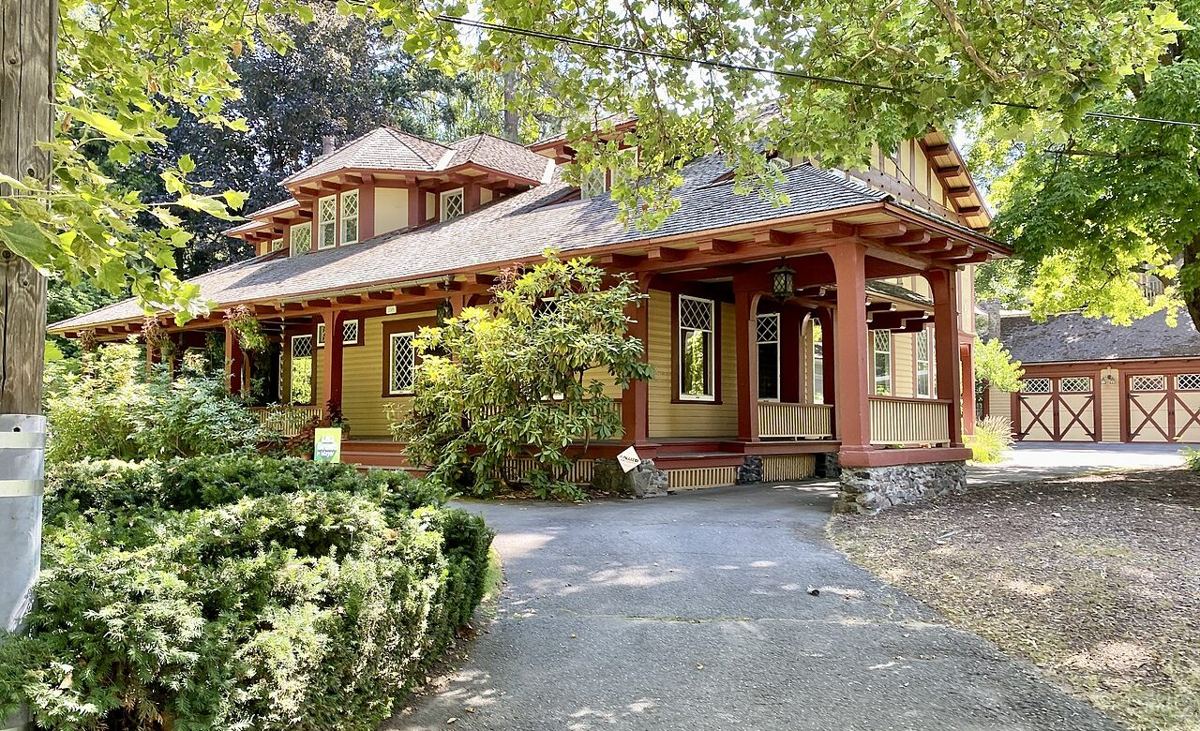
Spokane has a lot of older rental housing. In Browne's Addition, about 86 percent of households rent, and many of the neighborhood's big early homes were converted into apartments starting in the 1920s. West Central and Logan, near Gonzaga, also have high rental shares and many older houses split into units.
Converted houses are hard to seal. Walls and floors were opened and patched as units were carved out, plumbing was added in odd places and basements often have old stone foundations. A building-wide inspection finds the shared routes.
Newer complexes in the Valley, on the North Side and in Airway Heights have different problems: trash enclosures, landscaping close to buildings and garages on the ground floor.
Winter makes everything worse in a building with many units and lots of warm spaces. Starting a program in early fall keeps the problem small.
Turnover is the best time to seal
In rentals, the empty unit between tenants is the easiest time to fix rodent problems. With the furniture gone, a technician can see every baseboard, pull out the stove and refrigerator and check the cabinets under every sink.
A turnover checklist for rodents:
- Pull out appliances and seal pipe and gas line openings behind them.
- Pack and seal gaps around pipes under kitchen and bathroom sinks.
- Check baseboards, heating registers and closets on exterior walls.
- Replace worn door sweeps on exterior doors.
- Look at the crawl space or basement under the unit for droppings and torn vapor barrier.
- Set a couple of traps in the empty unit for a week to see if anything is still active.
Logan, Cheney and the areas around downtown have heavy student and seasonal turnover, often in late spring and late summer. Late summer turnover lines up with the best sealing window before mice move indoors in the fall.
Give each new tenant a one-page sheet on food storage, garbage and how to report pests in writing.
Apartment and Multi-Unit questions
Who pays for pest control in a Spokane apartment?
Under RCW 59.18.060, landlords must start each tenancy with a reasonable pest control program and, except in a single-family residence, control infestations during the tenancy unless the tenant caused them. This is general information, not legal advice. See the tenant and landlord guide.
Do all units need to be treated?
Not always, but the units around the affected ones should be inspected. Mice move between units, so treating one at a time often fails.
How do tenants help?
Store food in sealed containers, keep trash in closed bins, report droppings quickly and allow access for inspections and service.
Can the building be put on a regular service plan?
Yes. Many property managers use a monitoring plan with scheduled visits, especially for older buildings. Ask the provider for options.
What records should a landlord keep?
Tenant notices, service reports and invoices, and photos of repairs. These show what was done and when.
Related reading
What to say when you call
Your call goes to an independent rodent control provider serving Spokane. A two-minute description gets you a better answer on timing and price.
Tell them
- ✓Rats or mice, if you know. Rice-grain droppings point to mice; capsule-shaped droppings a half inch or longer point to rats.
- ✓Where you see or hear them: attic, crawl space, basement, walls, kitchen, garage, shop or car engine.
- ✓Whether you found droppings in a shed, cabin or outbuilding. Deer mice live in those spots, and the cleanup needs care.
- ✓The building: older home on a rock or rubble foundation, house over a crawl space, newer home with an attached garage, apartment, restaurant or warehouse.
- ✓Your neighborhood or ZIP code and the best time for a visit.
- ✓What you have already tried, like snap traps, store bait or foam in a gap.
Ask them
- ?Does the company hold a WSDA pest control license, and does it include the pest control operator, General category?
- ?Will the technician seal entry points with metal-backed materials, or only set traps and bait?
- ?What does the price include, and how many return visits are part of it?
- ?Can I get the plan and the quote in writing before work starts?
- ?If there are droppings to clean up, how will the technician handle them without stirring up dust?
Get the whole building under control
One free call connects you with an independent rodent technician who works the Spokane area. Ask for a written plan and quote before work starts.
(509) 401-4897Spokane, WA · Tap to call