In Washington, the Washington State Department of Agriculture (WSDA) licenses people and companies who apply pesticides for hire, and rodenticides count as pesticides. A rodent control company that uses any bait on your property should hold a WSDA Commercial Applicator license, and technicians who apply pesticides on their own should hold a Commercial Operator license.
You can check a license yourself in a few minutes with WSDA's online search. This guide explains the license types, the categories that cover rat and mouse work, how to look one up and the federal and state rules on rodent poison.
Who needs a license
WSU's Pesticide Education Program, which supports applicator training in the state, says WSDA is the agency responsible for enforcing Washington's pesticide laws, including licensing. Applying any pesticide as a commercial service requires a license.
Two license types cover most rodent control companies:
- Commercial Applicator. The state's regulatory handbook describes it as a license for businesses that apply pesticides, including rodenticides, to the land or property of another. It is held by the person who makes the company's pesticide application decisions.
- Commercial Operator. This license is for employees of a Commercial Applicator who apply pesticides and are not supervised by another licensed person.
A provider that only sets snap traps and seals holes, with no pesticide, may not need a pesticide license for that work. Many rodent companies use bait at some point, though, so the license is a good screen either way.
License categories for rats and mice
Washington pesticide licenses carry categories, listed in WAC 16-228-1545. The ones that come up with rodent work:
- Pest control operator (PCO), General: control of insects, spiders, birds, rodents and other animal pests in and around homes, public and commercial buildings, disposal sites and farmsteads. This is the category most directly tied to house and building rodent control.
- PCO, Structural: control of structural pests such as termites and wood-destroying fungus, including wood destroying organism inspections.
- Public health: pesticide use in public health programs, including mosquito, rodent and insect control.
- Structural pest inspector: inspection of buildings for wood-destroying pests and conducive conditions. This is not a rodent control license.
When you look up a company, check that the license is current and that its categories include pest control operator, General.
Want a provider who will show the license? Call.Free call. You are connected with an independent provider near you.
(509) 401-4897Tap to callHow to look up a license
WSDA runs a Pesticide and SPI Licensing Search on its website. Search by company or person name and check:
- That the license is current, not expired.
- That the company holds a Commercial Applicator license and its technicians hold Commercial Operator licenses if they apply pesticide on their own.
- That the categories include pest control operator, General.
If you cannot find a company, WSDA's licensing staff can be reached by email at license@agr.wa.gov or by phone at 877-301-4555.
Ask for proof of insurance as well. The state handbook entry for the Commercial Applicator license says applicants must carry a $100,000 liability insurance policy or surety bond, with $50,000 each for public liability and property damage.
What the licenses require
According to the state's regulatory handbook:
- Commercial Applicator: pass one or more WSDA exams, carry the $100,000 insurance or bond, hold a Washington business number and pay a $250 license fee, plus a $25 testing fee each time exams are taken.
- Commercial Operator: pass exams and pay an $85 license fee plus the testing fee.
Both licenses renew yearly within a five-year recertification cycle. License holders need 40 continuing education credits in that cycle, with no more than 15 counted per year, or they can retest. WSU's Pesticide Education Program says the exams are closed book and multiple choice and take a score of 70 percent to pass.
None of that guarantees good work. It does mean the person putting bait around your house passed a state exam and carries insurance.
Federal rules on rat and mouse poison
The US EPA sets the label rules for rodenticides. An archived EPA page from January 2025 describes them:
- Consumer products are sold as ready-to-use bait stations containing bromethalin, chlorophacinone or diphacinone, for use indoors or outdoors within 50 feet of a building. Loose pellet bait is no longer allowed in consumer rodenticide products.
- Second-generation anticoagulants, including brodifacoum, bromadiolone, difenacoum and difethialone, are no longer registered for consumer products. They are registered only for commercial and structural pest control.
- Professional products can come as blocks, pastes or pellets, but labels require tamper-resistant bait stations where children under six, pets or nontarget wildlife may get access, and for all above-ground outdoor uses.
- Outdoor burrow baiting is allowed only with pelleted bait placed at least six inches down active rat burrows.
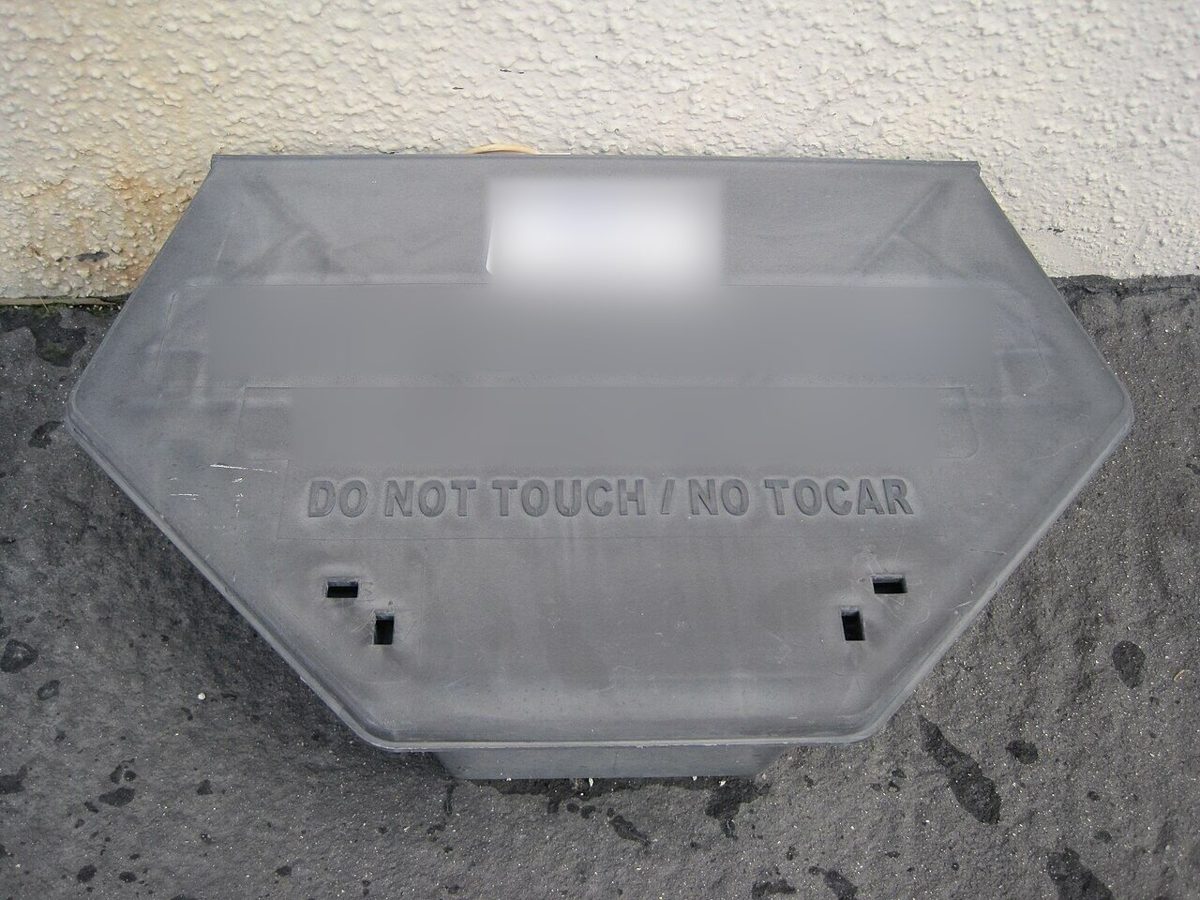
That is why a homeowner can buy a sealed bait station at a hardware store but not the products a licensed technician uses. Rodenticides also put pets and wildlife at risk, including owls and hawks that eat poisoned rodents. Inside homes, many technicians prefer traps for that reason, and because a poisoned mouse can die in a wall.
Washington rodenticide bill status
In the 2026 session, House Bill 2516 was introduced in the Washington Legislature. The original bill text would have placed a moratorium on anticoagulant rodenticides from January 1, 2027, through December 31, 2028, and also covered rodenticides containing bromethalin, with a process for limited emergency use.
The bill had a public hearing on January 27 before the House Agriculture and Natural Resources committee. The bill pages checked for this guide show only the original bill and that hearing, and do not show it passing either chamber. Check the Washington Legislature's website for its current status before assuming any change to state law.
For now, follow the product label, which is the law for any pesticide, and ask your provider which products they plan to use and where. If you have pets or see raptors in your neighborhood, ask about trapping. See do rodent repellents work and best rat and mouse traps.
Red flags when hiring
A license check is the start. Watch for these too:
- No written quote, or a price that changes once the technician is in the crawl space, with no explanation
- A long contract with no sealing work, only bait refills each month
- No mention of entry points at all
- Pressure to sign the same day when no rodent is loose in the living space
- Bait placed inside the house where pets or children can reach it
- No clear plan for cleaning up droppings safely
A good provider explains what they found, shows photos and puts the scope in writing. A standalone rodent inspection is a reasonable way to get a second opinion.
Talk to a local rodent technicianFree call. Ask for a written plan and quote before any work starts.
(509) 401-4897Tap to callCommon questions
How do I check if a pest control company is licensed in Washington?
Use WSDA's Pesticide and SPI Licensing Search online. Look for a current Commercial Applicator license with the pest control operator, General category.
Does a company need a license just to set traps?
A pesticide license covers pesticide use. Trapping and sealing alone may not require one, but most rodent companies use bait at some point, so ask.
Can I buy the same rat poison a professional uses?
No. EPA rules keep second-generation anticoagulants out of consumer products, and consumer rodenticides come only in ready-to-use bait stations.
Did Washington ban rat poison?
HB 2516, introduced in 2026, proposed a temporary moratorium on anticoagulant and bromethalin rodenticides. The bill pages checked for this guide do not show it passing. Check the Legislature's website for current status.
What insurance should a pest control company have?
The state handbook says Commercial Applicator license holders must carry a $100,000 liability policy or surety bond. Ask for proof.
Sources
- WSDA: Pesticide and SPI Licensing Search
- WAC 16-228-1545: Pesticide licensing requirements and classifications
- Washington ORIA permit handbook: Commercial Applicator License
- Washington ORIA permit handbook: Commercial Operator License
- WSU Pesticide Education Program: Applicator certification questions
- US EPA: Restrictions on rodenticide products (archived January 2025 snapshot)
- Washington HB 2516 (2025-26): Rodenticides, original bill text
- Washington HB 2516 (2025-26): Bill page and hearing record
This guide is general information, not legal advice. Rules change, so check the linked official sources for your situation.