Rodents and the food code
Washington's food code is short on this point. WAC 246-215-06550, which adopts section 6-501.111 of the FDA Food Code, says the premises must be kept free of insects, rodents and other pests, and names the control methods a food business is expected to use.
In Spokane County, Spokane Regional Health District does the inspecting. SRHD inspects each food establishment one to two times a year, and complex restaurants at least twice. Violations are marked as red high-risk items, which must be corrected immediately, or blue low-risk items, which have a set time to fix. The restaurant violations guide goes deeper.
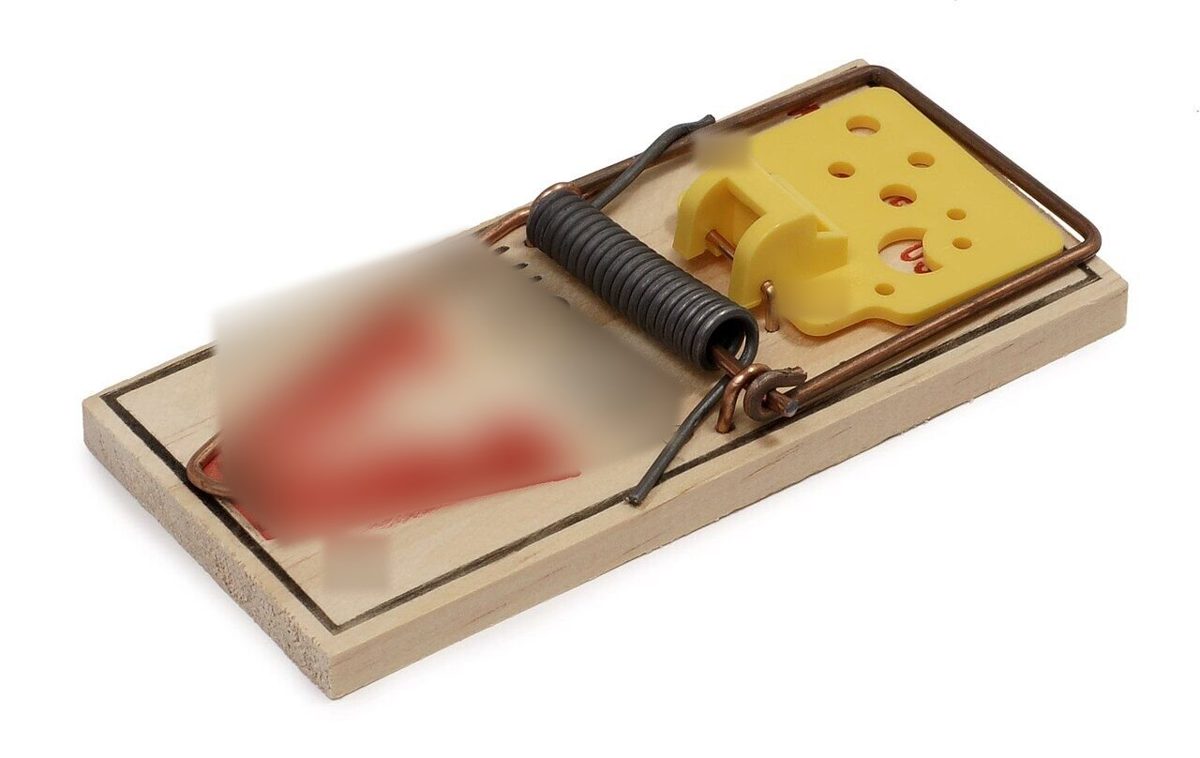
Restaurant rodent control has to work around food. Inside the kitchen and storage areas, traps are the standard tool. Bait stays outside in locked stations. The rest of the work is sealing, sanitation and records.
What a thorough job includes
A restaurant program usually covers:
- Inspection of the kitchen, dry storage, walk-ins, dish area, basement and the dumpster area
- Traps along walls, under equipment and in storage, never loose bait near food
- Exterior locked bait stations near dumpsters and doors, if needed and allowed by the label
- Sealing gaps at back doors, around pipes and drains, behind equipment and at floor-wall joints
- Recommendations on cleaning under equipment, storing food off the floor and dumpster care
- A service report after each visit for your records and the health inspector
- Faster follow-up when a sighting happens
Step by step
- You call and describe what was seen and when the next inspection might be.
- A technician inspects the kitchen, storage, back door and dumpster area, ideally after close.
- You get a written plan and price.
- Traps go in, and urgent gaps get sealed.
- The kitchen team gets a short list of sanitation fixes.
- Return visits check traps and update the service log until activity stops, then continue on a schedule.
Want a technician to look at your place?Free call. You are connected with an independent provider near you.
(509) 401-4897Tap to callSpokane restaurants
Downtown Spokane, the Garland District, the Perry District, Kendall Yards and the Sprague and Division corridors all have dense clusters of restaurants with shared alleys and dumpsters. Rats that feed behind one restaurant use the whole alley.
Older downtown buildings often have basements with stone foundations and old utility openings, which give rodents a route into kitchens. Newer buildings in Kendall Yards and the Valley have fewer gaps but still need door sweeps and sealed pipe penetrations.
Cold weather pushes mice into kitchens across the city each fall. Restaurants near open lots or the river see more.
Food trucks and commissary kitchens have their own challenges. Trucks parked for the night near open lots can pick up mice, and shared commissaries need everyone to follow the same storage rules.
When you call, mention if a health inspection is coming or if you received a violation. Providers can often schedule the first visit after closing.
Daily habits for the kitchen team
Most of what keeps a kitchen rodent-free happens between pest control visits. A short closing routine helps:
- Pull out and clean under fryers, ranges and prep tables on a regular schedule.
- Store dry goods in sealed bins, off the floor and away from walls.
- Rotate stock so nothing sits in a corner for months.
- Keep the back door closed during service and check the door sweep for daylight.
- Close dumpster and grease bin lids every time.
- Empty and clean floor drains and keep drain covers in place.
- Check incoming deliveries for gnaw marks or droppings before they go into storage.
Keep your own log alongside the provider's service reports: date, who checked, what was found. An inspector who sees steady records and a clean back area is more likely to view a single dropping as an isolated issue.
If anyone sees a mouse or droppings, report it to the manager and the provider that day. Waiting for the next scheduled visit lets a small problem grow.
Restaurant Rodent Control questions
Can a restaurant use rat poison in the kitchen?
Loose bait near food is a bad idea and product labels limit where bait can go. Providers use traps inside food areas and locked stations outside.
What happens if the inspector finds droppings?
It will be written up on the inspection report. SRHD's report form marks red high-risk violations that must be corrected immediately and blue low-risk violations with a set time to fix. Repeated violations can lead to reinspection and, in serious cases, closure.
How often should a restaurant have pest service?
Monthly service is common. Busy kitchens or older buildings may need more frequent visits.
What records should we keep?
Service reports, invoices, a device map, photos of repairs and your own cleaning logs.
Can service happen when we are closed?
Yes. Ask for after-hours or early morning visits so the work does not disrupt service.
Where can I report a restaurant with mice?
SRHD has a food safety concern form on its website, and its food safety program can be reached at 509-324-1560, extension 2.
Should a new restaurant set up pest control before opening?
Yes. An inspection and a service plan before opening finds gaps while the kitchen is empty and gives you records from day one.
Related reading
What to say when you call
Your call goes to an independent rodent control provider serving Spokane. A two-minute description gets you a better answer on timing and price.
Tell them
- ✓Rats or mice, if you know. Rice-grain droppings point to mice; capsule-shaped droppings a half inch or longer point to rats.
- ✓Where you see or hear them: attic, crawl space, basement, walls, kitchen, garage, shop or car engine.
- ✓Whether you found droppings in a shed, cabin or outbuilding. Deer mice live in those spots, and the cleanup needs care.
- ✓The building: older home on a rock or rubble foundation, house over a crawl space, newer home with an attached garage, apartment, restaurant or warehouse.
- ✓Your neighborhood or ZIP code and the best time for a visit.
- ✓What you have already tried, like snap traps, store bait or foam in a gap.
Ask them
- ?Does the company hold a WSDA pest control license, and does it include the pest control operator, General category?
- ?Will the technician seal entry points with metal-backed materials, or only set traps and bait?
- ?What does the price include, and how many return visits are part of it?
- ?Can I get the plan and the quote in writing before work starts?
- ?If there are droppings to clean up, how will the technician handle them without stirring up dust?
Keep your kitchen inspection-ready
One free call connects you with an independent rodent technician who works the Spokane area. Ask for a written plan and quote before work starts.
(509) 401-4897Spokane, WA · Tap to call