Why droppings need careful handling
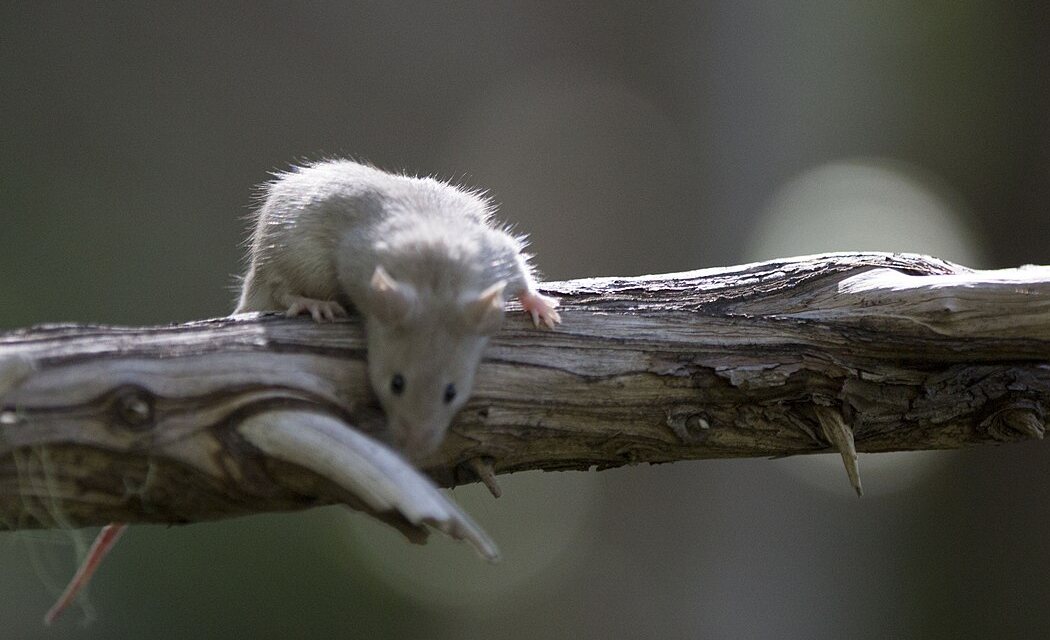
Rodent droppings, urine and nesting material are more than a mess. The Washington State Department of Health says the deer mouse is the major carrier of Sin Nombre virus, the hantavirus that causes hantavirus pulmonary syndrome, and that most Washington cases were exposed in eastern counties. The state sees about 1 to 5 cases a year. Through 2016 it had recorded 48 cases, and 17 of those people died.
Hantavirus spreads when dried droppings, urine or nesting material get stirred up and breathed in. Spokane Regional Health District reported the county's first confirmed case in 2017, a man in his 50s who likely was exposed inside a barn in Adams County. The health district urged people to take precautions when working in or cleaning barns, sheds and outbuildings.
That is why sweeping and vacuuming are the wrong tools. CDC's cleanup steps start with ventilation and disinfectant, and a technician doing this work follows the same rules with better gear. For the background, read deer mice and hantavirus in Spokane.
What a thorough job includes
A safe cleanup follows CDC and Washington DOH guidance. Ask the provider whether the job includes:
- Airing out the space for at least 30 minutes before work starts
- Gloves, and a respirator for heavy contamination
- Soaking droppings, urine and nests with disinfectant or a bleach solution of 1 part bleach to 9 parts water, then waiting before wiping
- Picking up material with disposable towels and double-bagging it
- Removing soiled insulation, vapor barrier, cardboard and fabric that cannot be cleaned
- Disinfecting floors, shelves and hard surfaces
- Sealing the entry points so the space stays clean
Step by step
- A technician inspects the space and identifies the species from droppings and signs.
- You get a written scope and price for cleanup and any sealing or trapping.
- The space is ventilated before anyone starts work.
- Droppings, urine and nests are soaked with disinfectant and left to sit.
- Material is wiped up, bagged twice and removed. Soiled porous materials go too.
- Surfaces get a second round of disinfectant.
- Entry points are sealed so the space does not fill up again.
Want a technician to look at your place?Free call. You are connected with an independent provider near you.
(509) 401-4897Tap to callWhere cleanup jobs come from around Spokane
Many of these jobs start in spring. A cabin near Deer Park, a shed in Mead, a detached garage in Cheney or an RV stored all winter in Airway Heights gets opened up for the season, and the floor is covered in droppings and shredded nesting material. That is exactly the situation SRHD and the state health department warn about.
Rural and edge properties see the most deer mice. Fields, pine forest and scabland around the city hold large populations. A May 2026 report in The Spokesman-Review described a WSU study that found 29 percent of deer mice sampled across farms and natural areas in Whitman County and nearby Idaho counties had signs of past hantavirus infection.
Houses in town have cleanup needs too. Crawl spaces and attics where house mice lived for a winter often have droppings in the insulation and the vapor barrier. The same safety steps apply.
If you or someone in the house develops sudden flu-like symptoms within a few weeks after cleaning up rodent waste, SRHD advises seeing a health care provider right away.
What to throw out and what to keep
After the droppings and nests are gone, sort what was in the space. CDC's guidance points toward disposing of porous material that is soiled with urine and droppings and disinfecting hard surfaces.
Usually thrown out:
- Insulation, cardboard and paper soaked with urine or full of droppings
- Fabric, bedding and cushions with nests or heavy contamination that cannot be washed
- Food or animal feed that mice could have touched
Usually kept after cleaning:
- Hard plastic bins, metal tools and glass, wiped with disinfectant
- Washable fabric, laundered in hot water with detergent
- Furniture with hard surfaces, wiped and left to dry
Double-bag the waste and put it in the garbage cart. Keep the lid closed.
Before you restock the shed, cabin or garage, seal the gaps. Store anything mice like, such as seed, feed, pet food and bedding, in metal cans or sealed plastic bins. Set a few snap traps in enclosed boxes as an early warning before you close the space for the winter.
Droppings Cleanup questions
Can I vacuum mouse droppings?
No. CDC says not to vacuum or sweep rodent urine, droppings or nesting material because it can put virus particles in the air. Wet everything with disinfectant first, wait, then wipe it up with paper towels.
What bleach mix should I use?
CDC says 1.5 cups of household bleach in 1 gallon of water, or 1 part bleach to 9 parts water, mixed fresh. Soak for 5 minutes or as the product label directs.
Do all deer mice carry hantavirus?
No, but you cannot tell by looking. Treat all deer mouse droppings as if they could carry it.
What are the symptoms of hantavirus?
SRHD says symptoms are flu-like and usually begin one to three weeks after exposure, with fever, chills and muscle aches, followed by trouble breathing. See a health care provider right away if this happens after cleaning rodent waste.
Should I hire someone for a small cleanup?
A few droppings in a well-ventilated garage can be handled at home with CDC's steps. A closed cabin, shed or crawl space with heavy contamination is a good job to hand off.
Related reading
What to say when you call
Your call goes to an independent rodent control provider serving Spokane. A two-minute description gets you a better answer on timing and price.
Tell them
- ✓Rats or mice, if you know. Rice-grain droppings point to mice; capsule-shaped droppings a half inch or longer point to rats.
- ✓Where you see or hear them: attic, crawl space, basement, walls, kitchen, garage, shop or car engine.
- ✓Whether you found droppings in a shed, cabin or outbuilding. Deer mice live in those spots, and the cleanup needs care.
- ✓The building: older home on a rock or rubble foundation, house over a crawl space, newer home with an attached garage, apartment, restaurant or warehouse.
- ✓Your neighborhood or ZIP code and the best time for a visit.
- ✓What you have already tried, like snap traps, store bait or foam in a gap.
Ask them
- ?Does the company hold a WSDA pest control license, and does it include the pest control operator, General category?
- ?Will the technician seal entry points with metal-backed materials, or only set traps and bait?
- ?What does the price include, and how many return visits are part of it?
- ?Can I get the plan and the quote in writing before work starts?
- ?If there are droppings to clean up, how will the technician handle them without stirring up dust?
Get the cleanup done safely
One free call connects you with an independent rodent technician who works the Spokane area. Ask for a written plan and quote before work starts.
(509) 401-4897Spokane, WA · Tap to call