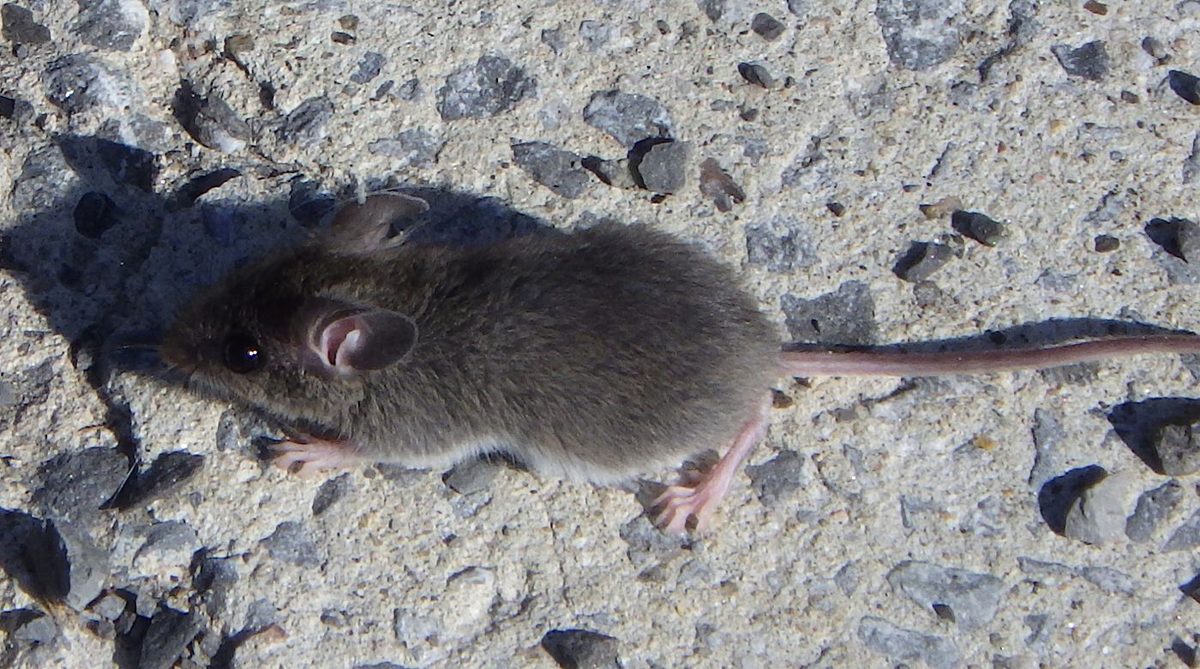
In most Spokane apartments, duplexes and multi-unit buildings, Washington law makes the landlord responsible for controlling rats and mice, unless the tenant caused the problem. In a single-family rental, the landlord still has to keep the structure in repair, including holes and gaps that let rodents in. The tenant's job is to keep the unit reasonably clean and to report problems in writing.
This guide explains the state rules in the Residential Landlord-Tenant Act, chapter 59.18 RCW, and what the City of Spokane says about rental conditions. It is general information, not legal advice. For your own situation, talk to a lawyer or a tenant or landlord organization.
What the landlord has to do
RCW 59.18.060 lists the landlord's duties. It begins by saying the landlord will at all times during the tenancy keep the premises fit for human habitation. Several parts matter for rodents:
- Subsection (1): maintain the premises to largely comply with applicable codes and regulations, where a condition endangers or impairs the tenant's health or safety.
- Subsection (2): maintain structural components, including roofs, floors, walls, chimneys, fireplaces and foundations, in reasonably good repair.
- Subsection (3): keep shared or common areas reasonably clean, sanitary and safe.
- Subsection (4): provide a reasonable program for the control of infestation by insects, rodents and other pests at the start of the tenancy and, except in a single-family residence, control infestation during the tenancy, unless the tenant caused it.
In plain terms, a landlord renting an apartment, duplex or other multi-unit building has to deal with rats and mice during the lease. A landlord renting a single-family house has to start the tenancy free of pests and keep the structure sound, but is not required by subsection (4) to run pest control during the tenancy.
Single-family rentals and the structure
Single-family rentals are common in Spokane, from older bungalows in Logan and West Central to newer houses in the Valley and Airway Heights. WashingtonLawHelp.org explains that the law does not require a pest control program during a single-family tenancy, but the landlord must still reasonably maintain the structure, including roofs, floors, walls, chimneys and foundations. If a structural problem lets pests in, the tenant can ask for repairs.
That covers a lot of rodent problems in older Spokane houses. Gaps in a stone foundation, a crawl space vent with the screen rusted out, a rotted sill or a broken basement window are structural. Asking the landlord to fix those, in writing, is reasonable even in a single-family lease.
Read your lease too. Some single-family leases say who pays for pest control, and a lease cannot take away rights the statute gives you.
Landlord or tenant? Get a technician's report.Free call. You are connected with an independent provider near you.
(509) 401-4897Tap to callWhat the tenant has to do
Tenants have duties as well. According to WashingtonLawHelp.org, RCW 59.18.130 requires tenants to keep the unit as clean and sanitary as conditions permit and to dispose of garbage and waste in a clean and sanitary way that prevents infestation. If a tenant caused an infestation, RCW 59.18.130(2) allows the landlord to charge the tenant for extermination.
WashingtonLawHelp.org also points out that if you do not report pests and they cause damage or spread, the landlord may later charge you for extermination. Report early.
Practical steps that protect you:
- Store food, pet food and bird seed in sealed containers
- Keep garbage in closed bins and take it out often
- Do not block access for inspections or pest control visits after proper notice
- Report droppings, gnaw marks and sightings right away, in writing
- Take dated photos
If a health condition makes cleaning or garbage disposal hard, WashingtonLawHelp.org says you may request a reasonable accommodation.
Written notice and repair deadlines
RCW 59.18.070 explains how tenants ask for repairs and how fast landlords have to respond. The notice must be in writing and go to the person the landlord designated or the person who collects the rent. It should name the premises, the owner if you know who that is and the nature of the problem.
After the landlord receives it, the landlord must start remedial action as soon as possible and no later than:
- 24 hours, if the defect deprives the tenant of hot or cold water, heat or electricity, or is imminently hazardous to life
- 72 hours, if the defect deprives the tenant of a refrigerator, range and oven or a major plumbing fixture the landlord supplies
- 10 days in all other cases
Most rodent problems fall in the 10-day category. The deadlines do not apply when circumstances beyond the landlord's control cause delay, but the landlord still has to fix the problem as soon as possible.
Keep a copy of your notice and a record of how and when you delivered it. Email is easy to prove, but check your lease for how notices must be given.
If the landlord does not act
WashingtonLawHelp.org lists a few options when a landlord does not fix a pest problem:
- File a complaint or request an inspection with your city or county code enforcement office. Some agencies only inspect when a structural problem is reported. In serious cases, officials may fine the landlord or condemn the unit, and relocation assistance may be owed.
- Dispute an extermination charge you believe is unfair with a written demand letter.
- Move out if the infestation is practically impossible to fix or the landlord refuses repairs. Get legal advice first.
Inside Spokane city limits, the city's common code questions page says that if your building does not comply, you can contact Code Enforcement by dialing 311. For tenant rights, it points to the Washington State Attorney General's office at 509-456-3123.
Before you take any step beyond written notice, talk to a lawyer or a tenant organization. WashingtonLawHelp.org has a page for finding legal help.
For landlords: doing it right
Landlords in Spokane deal with older buildings, cold winters and turnover, all of which make rodent problems more likely. A few habits help:
- Inspect and seal between tenants, when the unit is empty and easy to work in
- Screen crawl space vents, replace door sweeps and seal pipe gaps before fall
- Respond to written notices quickly and keep records of every visit and repair
- In a multi-unit building, treat the building as a whole rather than one unit at a time
- Give tenants a short sheet on food storage and how to report pests
Keep the pest control contract, service reports, tenant notices and repair invoices. They show what was done and when if there is ever a dispute.
For buildings, see apartment rodent control. For single-family rentals, exclusion and sealing on the structure is usually the right fix. When you hire a provider, check the license with the WSDA lookup.
Talk to a local rodent technicianFree call. Ask for a written plan and quote before any work starts.
(509) 401-4897Tap to callCommon questions
Does my landlord have to pay for mice in my Spokane apartment?
In most multi-unit buildings, yes, unless you caused the infestation. RCW 59.18.060(4) requires landlords to control infestation during the tenancy except in single-family residences. This is general information, not legal advice.
I rent a single-family house. Who handles rats?
The law does not require a pest control program during a single-family tenancy, but the landlord must keep the structure in repair, including holes and gaps that let rodents in. Report in writing and ask for repairs.
How long does my landlord have to respond?
Under RCW 59.18.070, remedial action must start within 10 days of written notice for most defects, with shorter deadlines for loss of heat, water or electricity or imminent hazards.
Can my landlord charge me for extermination?
If you caused the infestation, RCW 59.18.130(2) allows it. If you did not, you can dispute the charge in writing. Report pests early so you are not blamed for damage that spread.
Who do I call if my Spokane rental does not meet code?
The City of Spokane says to contact Code Enforcement by dialing 311. For tenant rights, it lists the Attorney General's office at 509-456-3123.
Sources
- RCW 59.18.060: Landlord duties
- RCW 59.18.070: Landlord failure to carry out duties, notice and timelines
- WashingtonLawHelp.org: Pest infestations
- City of Spokane Code Enforcement: Common code questions
This guide is general information, not legal advice. Rules change, so check the linked official sources for your situation.