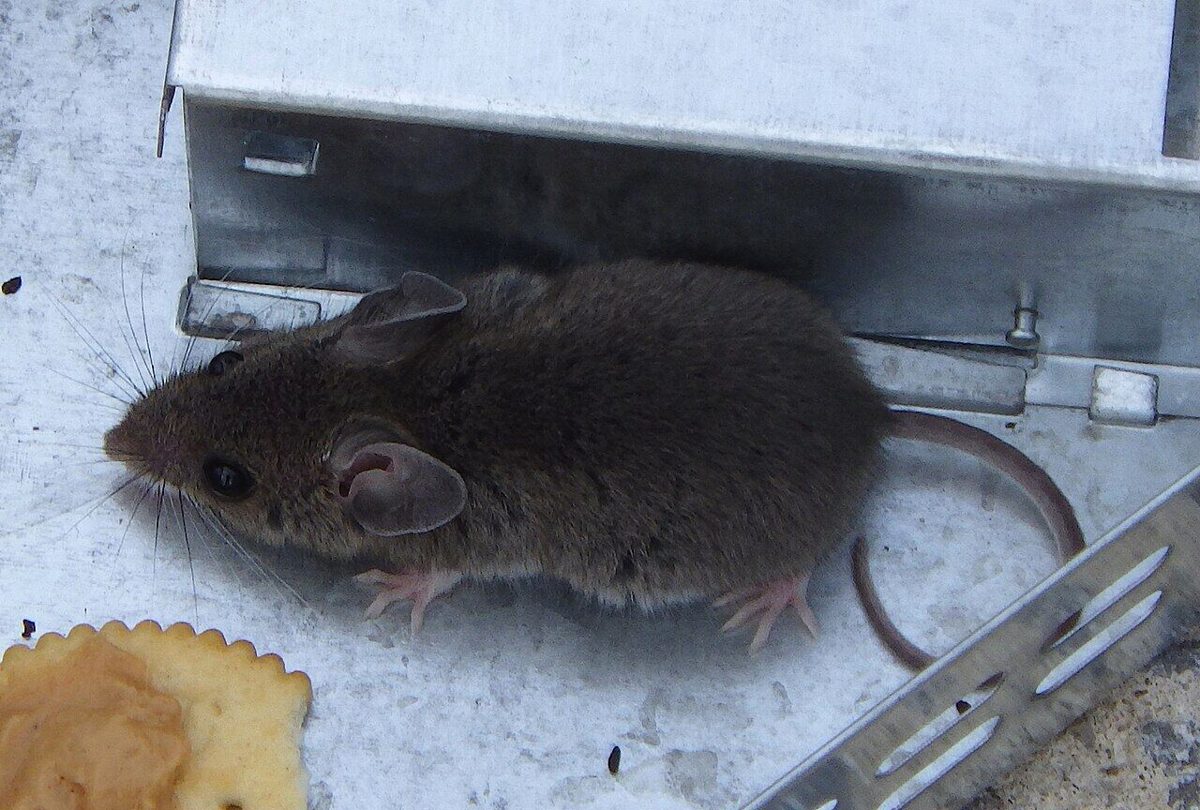
Three rodent-borne diseases matter most for people in the Spokane area: hantavirus, carried mainly by deer mice; leptospirosis, spread through the urine of infected animals including rats and mice; and rat-bite fever, spread through bites, scratches or contact with rodent saliva or urine. All three are uncommon, and all three are easier to avoid than to treat.
This article covers how each one spreads, what symptoms look like and the simple habits that lower your risk. It is general information, not medical advice. If you get sick after a rodent exposure, see a health care provider and mention it.
Hantavirus
Hantavirus is the one people in eastern Washington hear about most. The Washington State Department of Health says the deer mouse is the major carrier of Sin Nombre virus, which causes hantavirus pulmonary syndrome. From 1993 through 2016, the state recorded 48 cases and 17 deaths, and it typically sees 1 to 5 cases a year, mainly exposed in eastern counties.
CDC says people get hantavirus mostly from contact with rodent urine, droppings or saliva, often by breathing in dust from them. A bite or scratch can spread it, but that is rare. Early symptoms usually appear 1 to 8 weeks after contact: fatigue, fever and muscle aches. Four to 10 days later, coughing and shortness of breath can follow as the lungs fill with fluid. CDC says about 38 percent of people who develop respiratory symptoms may die.
Spokane Regional Health District reported the county's first confirmed case in 2017, linked to a barn in Adams County. SRHD says the hantavirus in the Northwest does not spread from person to person.
The best protection is careful cleanup. See deer mice and hantavirus in Spokane.
Leptospirosis
CDC describes leptospirosis as a disease caused by the bacterium Leptospira, found in water or soil contaminated by the urine of infected animals. Rodents, including rats and mice, are among the animals that carry it, along with livestock and dogs.
People can get it through contact with contaminated water or soil, especially after floods or heavy rain, through direct contact with an infected animal's urine or body fluids, or from contaminated food or water.
Symptoms usually start 2 to 30 days after exposure and can include fever, muscle aches, headache and vomiting. CDC notes that many symptoms can be mistaken for other illnesses and some people have none. Severe cases can affect the kidneys and liver.
To lower the risk, wear gloves when handling anything rats have soiled, keep pet dogs away from rat areas and wash hands well after yard work in rat-active spots.
Want the cleanup done safely? Hand it off.Free call. You are connected with an independent provider near you.
(509) 401-4897Tap to callRat-bite fever
CDC says rat-bite fever is an infection people can get from contact with rodents. Rats, mice and other rodents can carry the bacteria without looking sick.
It spreads through bites, scratches or contact with a rodent's saliva or urine, and sometimes through food or drinks contaminated by rodents. It does not spread between people. Symptoms usually begin 3 to 10 days after contact and can appear up to 21 days later. CDC says antibiotics can cure it if treatment starts soon after a person gets sick.
Never handle a live rat or mouse with bare hands. If you are bitten or scratched, wash the wound with soap and water and contact a health care provider.
Lowering your risk at home
The same habits protect against all three:
- Keep rodents out by sealing gaps. See exclusion and sealing.
- Use snap traps instead of live traps or glue traps, which CDC says can scare rodents into urinating.
- Wear gloves when setting and emptying traps.
- Never sweep or vacuum droppings. Wet them with disinfectant first.
- Store food, pet food and seed in sealed containers.
- Wash hands after yard work, cleaning or handling traps.
For bigger cleanup jobs in sheds, cabins, crawl spaces or attics, CDC says workers should wear full protective gear including a respirator. Many people hand those off. See droppings cleanup.
When to see a doctor
See a health care provider promptly if you develop a fever, muscle aches or breathing problems within a few weeks after cleaning rodent droppings, being bitten or scratched, or working around rat-infested water or soil. Tell them about the rodent exposure, since it helps with diagnosis.
For general questions about disease in Spokane County, Spokane Regional Health District is the local public health agency.
Pets and rodents
Dogs and cats can be exposed to rodent diseases too. CDC lists dogs among the animals that carry leptospirosis, and pets that catch or eat rodents can get sick. Rodenticides add another risk, since a pet that eats bait or a poisoned rodent can be poisoned as well.
To protect pets, keep bait out of the house, use enclosed traps where pets can reach them, keep dogs away from areas with rat burrows and talk with your veterinarian about vaccines and risks.
Talk to a local rodent technicianFree call. Ask for a written plan and quote before any work starts.
(509) 401-4897Tap to callCommon questions
Which rodent carries hantavirus in Washington?
The Washington State Department of Health says the deer mouse is the major carrier of the hantavirus that causes hantavirus pulmonary syndrome.
Can house mice spread disease?
Yes. CDC lists rodents, including mice, among carriers of leptospirosis and rat-bite fever. Clean droppings carefully and avoid handling live rodents.
Is rat-bite fever treatable?
CDC says antibiotics can cure it if treatment starts soon after symptoms begin.
How common is hantavirus in Washington?
The state Department of Health says it sees about 1 to 5 cases a year, mainly exposed in eastern counties.
Can I get sick from mouse droppings in my kitchen?
Droppings and urine can carry disease, so throw out food mice touched and clean surfaces with disinfectant. Do not sweep or vacuum droppings.