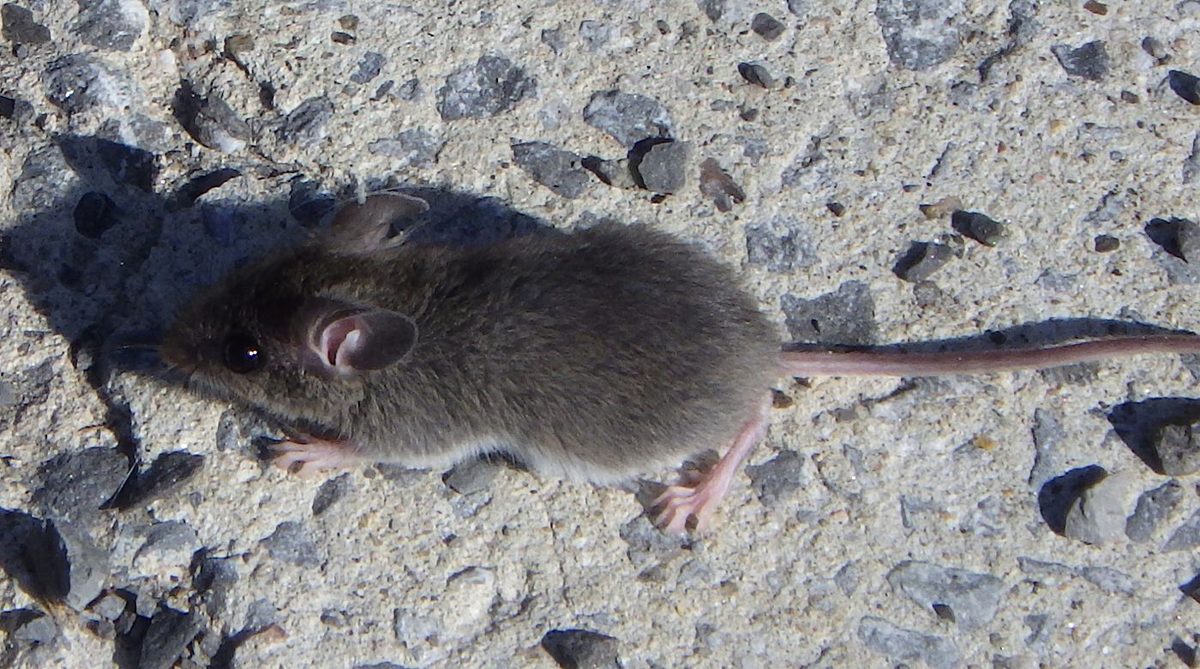
In Spokane, mice move indoors when the nights get cold, usually starting in September or October and running through the first snow. Rats follow a similar pattern, though they are more likely to stay in burrows outside until the ground freezes. Winter is when problems that started in fall get bigger, spring is cleanup season, and summer is the best time to seal.
Knowing the calendar lets you get ahead of it.
Fall: the big push
Fall is the busiest season for rodent problems around Spokane. Through the summer, mice live in grass, gardens, woodpiles, fields and the edges of open ground. When nights start dropping toward freezing, they look for heat and shelter, and houses, garages and sheds are the obvious choice.
Homes next to open ground feel it first: Five Mile Prairie, Airway Heights, Cheney, Mead, the edges of the Valley and anywhere a subdivision backs onto a field. Harvest and mowing in late summer push mice toward buildings at the same time.
What to do in fall:
- Walk the house and seal gaps before the first cold nights. See exclusion and sealing.
- Replace the garage door bottom seal if it is cracked or curled.
- Set a few snap traps in the garage and basement as an early warning.
- Move firewood away from the house as you stack it for winter.
- Store bird seed, grass seed and pet food in metal cans.
Winter: settled in
By winter, mice that got in during fall have found food and built nests. House mice breed indoors through the winter, so a few mice in October can be many more by February. This is when people hear scratching in the walls at night and find droppings in drawers and pantries.
Snow and frozen ground make outdoor life harder for rats too. Norway rats near buildings may move into crawl spaces, basements and garages.
Mice also nest in cars, campers, boats and lawn equipment parked for the winter. Chewed wires under the hood are a common winter repair. See mice in your car engine.
What to do in winter:
- Trap actively and check traps daily.
- Seal what you can from the inside: pipe gaps under sinks, behind appliances, around the furnace.
- Check stored vehicles and equipment every few weeks.
- Call for help if you hear mice in several walls. See mice in walls.
Want the house sealed before the cold? Call.Free call. You are connected with an independent provider near you.
(509) 401-4897Tap to callSpring: cleanup season
Spring brings a different kind of call. People open cabins, sheds, campers and lake places that sat closed all winter and find droppings and shredded nests everywhere.
This is the season to be careful. Deer mice are common in outbuildings around Spokane, and the Washington State Department of Health says the deer mouse is the major carrier of hantavirus in the state. Air out closed spaces for at least 30 minutes, wear gloves, soak droppings with disinfectant and never sweep or vacuum. See deer mice and hantavirus in Spokane.
Rats become more active outside as the ground thaws. Burrows show up along fences, under sheds and in garden beds.
What to do in spring:
- Clean up winter droppings with the CDC steps.
- Look for new burrows in the yard.
- Pick up anything that piled up against the house over the winter.
Summer: the sealing window
Summer is the quietest season for rodents inside homes, and the best time to keep fall from happening. Most mice and rats live outside, so sealing does not trap any inside walls.
Summer is also when outdoor food is everywhere: gardens, fruit trees, bird feeders, chicken feed and compost. Rats can build up in yards over the summer and then move inside when the weather turns.
What to do in summer:
- Walk the house and seal gaps at the foundation, vents, garage and utility lines.
- Screen crawl space vents with galvanized hardware cloth.
- Pick up fallen fruit and spilled seed.
- Deal with any rat burrows before fall. See rat burrow treatment.
- Book any professional sealing for late summer, before the fall rush.
A simple year-round plan
If you only remember one thing: seal in late summer, trap in fall and winter, clean carefully in spring. That rhythm keeps most Spokane houses free of mice without much effort.
A quick fall check each year is worth the time. Houses settle, door seals wear out and new gaps open. Fixing them each September is easier than trapping all winter.
Signs the fall push has started
The first signs are easy to miss. Watch for a few droppings along the garage wall, chewed corners on bags of bird seed or grass seed, a pet staring at the base of a wall or cabinet, and light scratching late at night near the kitchen. Mice usually show up in the garage, basement or crawl space a week or two before they reach the kitchen.
If you see any of those in September or October, act then. Set a few snap traps where you saw the signs and walk the outside of the house looking for gaps. A problem caught in the first week is a small one.
Talk to a local rodent technicianFree call. Ask for a written plan and quote before any work starts.
(509) 401-4897Tap to callCommon questions
What month do mice come inside in Spokane?
Most often September and October, when nights start getting cold. It continues until the first snow.
Do mice leave in the spring?
Some move outside, but mice that are nesting and breeding in a warm house often stay. Trapping and sealing are still needed.
When is the best time to seal my house?
Late summer, before the fall push starts and while most rodents are still outside.
Are rats seasonal too?
Norway rats live outside in burrows much of the year and move into crawl spaces, basements and garages more when the ground freezes.